
Boost Your SEO with Smart On-Page Techniques
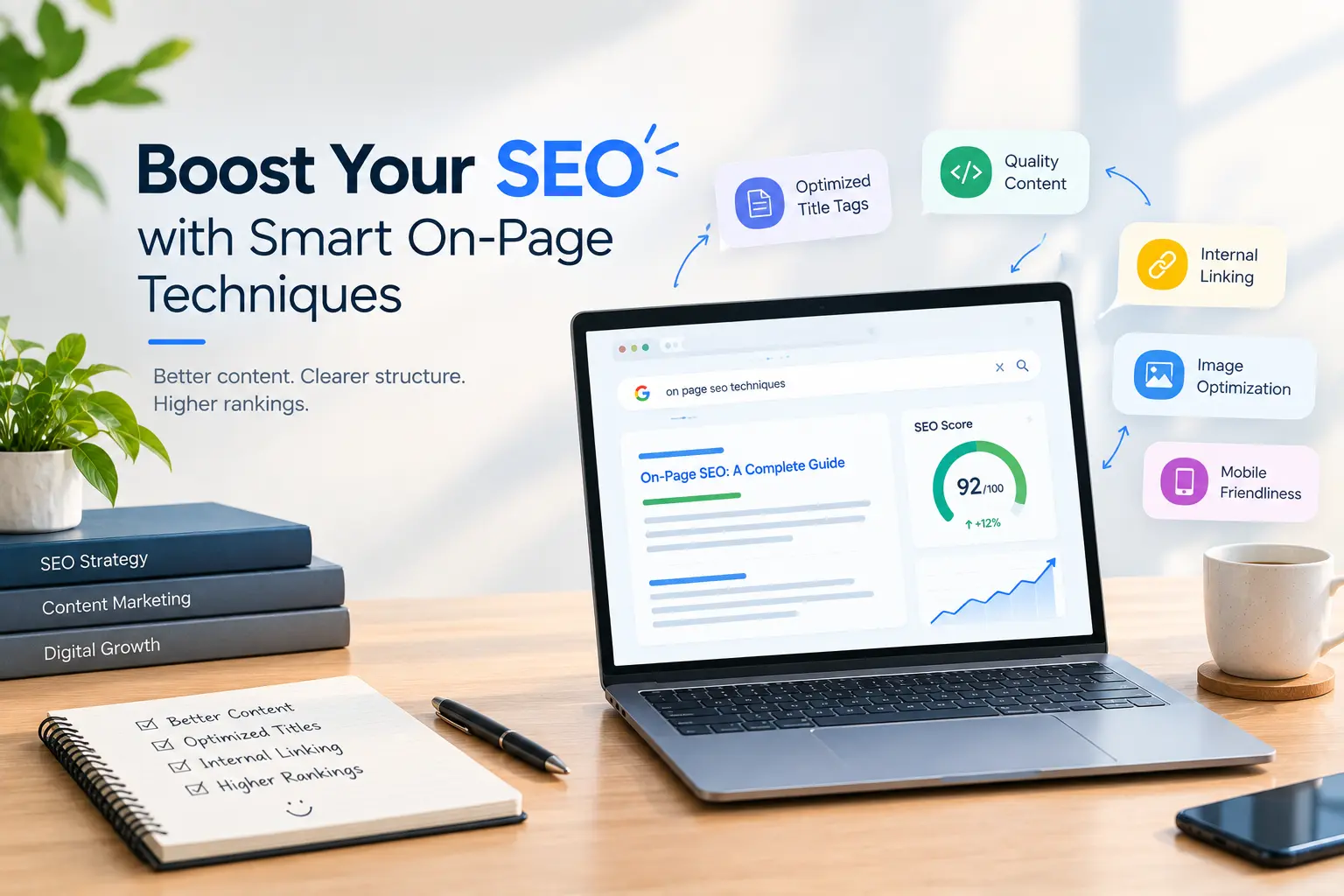
Discover practical, field-tested on-page SEO techniques tailored for Indian businesses to boost rankings, traffic, and conversions.
Introduction
In today’s competitive digital landscape, on-page SEO remains a foundational pillar for organic search visibility. For Indian business owners and entrepreneurs, practical, implementable tactics can yield meaningful results without heavy investments. This guide walks you through actionable on-page SEO techniques you can apply this week to improve rankings, traffic, and conversions.
Understanding On-Page SEO Fundamentals
On-page SEO refers to optimising individual web pages to rank higher and earn more relevant traffic. It combines content quality, user intent alignment, technical health, and user experience. The aim is to deliver fast, informative, and engaging pages that search engines recognise as authoritative and valuable for your audience.
Crafting Content That Satisfies Intent
Define Intent and Topics
Start with user intent: informational, navigational, or transactional. Map your pages to clear questions or needs. Use keyword research to identify long-tail phrases that reflect how Indian users search, including local modifiers like city or region.
Structure for Clarity
Use H1 for the main title, followed by H2s and H3s to segment topics. Paragraphs should be short, with actionable takeaways. Include numbered lists for steps and bullet lists for quick points.
Quality and Originality
Provide unique insights, case studies, or data. Cite credible sources when making claims and avoid thin content. High-quality content earns longer dwell times and earns backlinks over time.
On-Page SEO Elements to Optimise
Title Tags and Meta Descriptions
Create compelling titles under 60 characters with primary keywords. Meta descriptions should be around 150-160 characters, include a call to action, and reflect page content.
Headers and Keyword Placement
Use headings to structure content and incorporate target keywords naturally. Avoid keyword stuffing; focus on user readability and semantic relevance.
Internal Linking Strategy
Link to related articles and cornerstone content. Use descriptive anchor text that helps crawlers understand the linked page’s topic.
Image Optimisation
Compress images for fast load times. Use descriptive file names and alt text that explains the image in context of the page.
Technical SEO for Faster, Friendlier Pages
Page Speed Essentials
Leverage browser caching, optimise code and compress assets. A fast site reduces bounce rate and improves rankings.
Mobile Experience
Ensure responsive design, legible typography, and touch-friendly controls. Google prioritises mobile-first indexing.
Structured Data Basics
Implement schema markup for FAQs, products, or articles to enhance rich results and click-through rates.
URL and Crawlability
Keep URLs short, readable, and keyword-relevant. Ensure important pages are easily discoverable via internal links and a clean sitemap.
Content Strategy for Indian Markets
Localising Content
Incorporate regional terminology, examples, and case studies. Mention city-level details where relevant to increase relevance for local searches.
E-A-T and Trust Signals
Showcase author expertise, publish author bios, and add testimonials or case studies. Trust signals improve user confidence and rankings over time.
Content Formats That Convert
Use a mix of how-to guides, checklists, case studies, and data-driven articles. Rich content with practical takeaways improves engagement and shareability.
Practical Takeaways
- Audit top landing pages for keyword alignment, content depth, and conversion options.
- Improve page speed to under 3 seconds where possible; prioritise mobile performance.
- Add or optimise FAQs with concise answers to capture voice search and snippet opportunities.
- Build a simple internal linking plan focusing on related topics and cornerstone pages.
- Localise content for your target Indian regions to boost local visibility.
Measuring Impact and Iteration
Track rankings for focal keywords, organic traffic, and on-page metrics like time on page and bounce rate. Use A/B testing for meta descriptions and page layouts to understand what resonates with your audience.
Conclusion
On-page SEO is an ongoing practice, not a one-off task. By aligning content with user intent, tightening technical health, and localising for Indian markets, you can achieve meaningful, sustainable improvements in search visibility and business outcomes.