
Mastering Digital Transformation for Indian SMEs
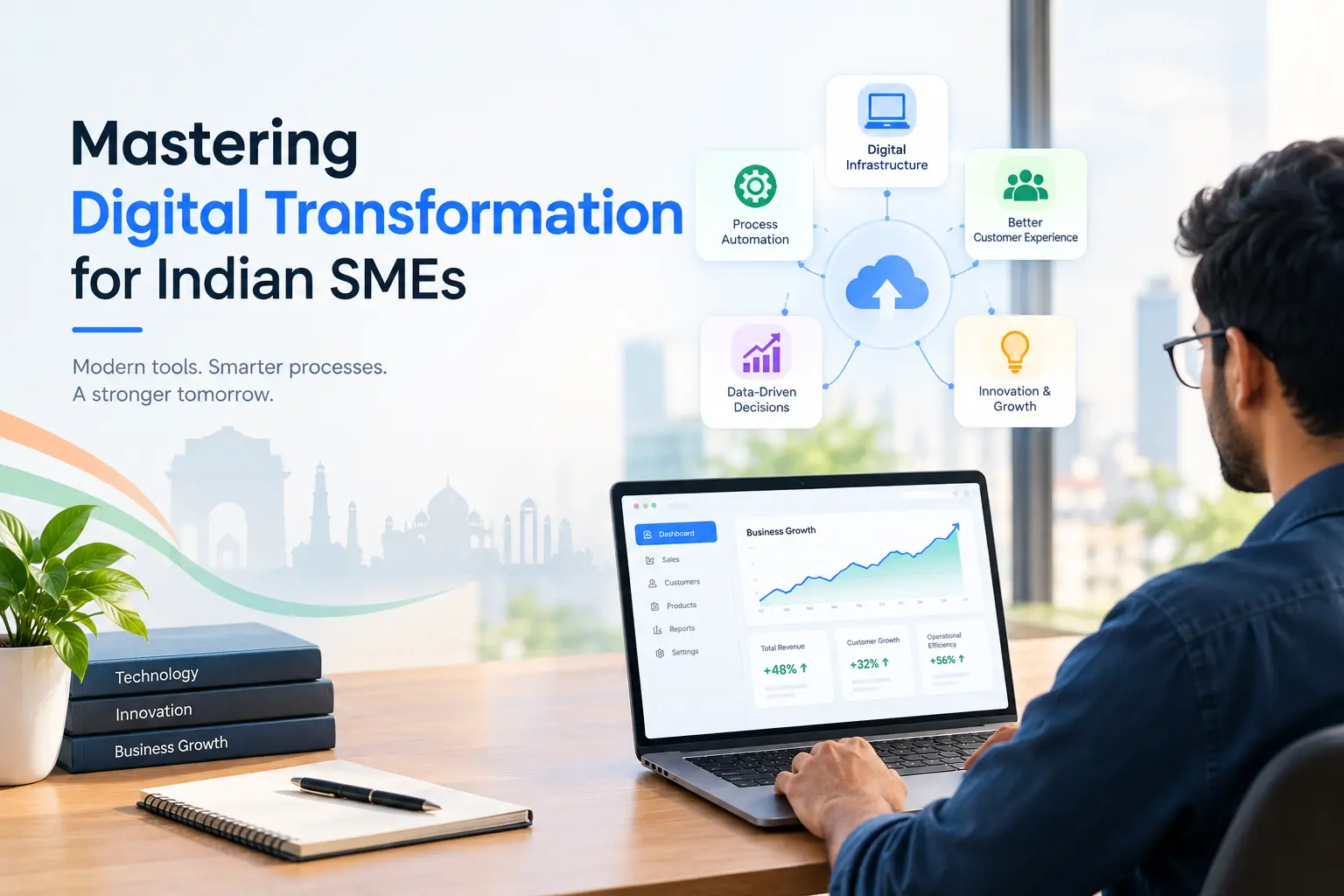
Discover practical strategies to drive digital transformation in Indian SMEs, from automation adoption to data-driven decision making and customer experience.
Introduction
Digital transformation is no longer a luxury for Indian SMEs; it is a necessity to stay competitive, resilient, and customer-centric. This guide offers practical, field-tested steps to begin or accelerate your journey, without overwhelming your budget or your team.
Why digital transformation matters for Indian SMEs
Small and medium enterprises form the backbone of India’s economy. Yet many struggle with fragmented processes, legacy systems, and inconsistent data. Digital transformation helps you improve efficiency, speed up decision making, and deliver superior customer experiences. It also builds the foundation for scalable growth, remote work, and new business models.
Practical takeaway
- Start with a clear business case: identify 2–3 processes most ripe for improvement and quantify expected benefits.
- Align leadership and frontline teams around a common digital vision.
Assess where you stand
Begin with an honest assessment of people, processes, and technology. Map customer journeys to understand pain points and moments that matter. Inventory existing tools and data sources, noting gaps and integration needs.
Practical takeaway
- Create a simple audit: people, processes, data, tools.
- Prioritize quick wins that require minimal investment but offer tangible value.
Build a lean technology stack
You don’t need a perfect tech stack from day one. Start with modular, scalable solutions that solve core problems: customer relationship management, project management, data analytics, and automation where it adds value.
Practical takeaway
- Choose cloud-based, low-code or no-code options to accelerate deployment.
- Prioritize interoperability and open APIs for future growth.
Automate where it matters
Automation is a powerful lever for Indian SMEs. Start with repetitive, rule-based tasks such as invoicing, lead routing, inventory alerts, and customer follow-ups. Use automation to free up human time for higher-value work.
Practical takeaway
- Implement simple automation in finance and sales to reduce cycle times by 20–40%.
- Monitor outcomes and tighten rules to avoid bottlenecks.
Leverage data for smarter decisions
Even small data can drive big results if you structure it well. Collect key metrics, maintain clean data, and build dashboards that tell a story to decision-makers. Data-driven decisions improve forecasting, pricing, and customer experience.
Practical takeaway
- Define 3–5 leading indicators relevant to your business.
- Establish a regular cadence for data review and action.
Customer experience as a differentiator
Digital tools should improve, not complicate, the customer journey. Simplify interactions, enable self-service where appropriate, and ensure channels are integrated for a seamless experience.
Practical takeaway
- Offer consistent experiences across website, mobile, and offline touchpoints.
- Gather feedback after key interactions to drive continuous improvement.
Capacity building and change management
Technology is only as effective as the people using it. Invest in training, set clear roles, and foster a culture that embraces experimentation and learning from failures.
Practical takeaway
- Create a 90-day learning plan for core tools.
- Establish champions in each department to sustain momentum.
Security, governance, and compliance
Digital transformation introduces new risks. Implement basic security practices, data governance, and compliance checks to protect data and maintain trust.
Practical takeaway
- Enforce access controls, backups, and incident response plans.
- Regularly review data handling practices and vendor risk.
Roadmap example for a typical SME
- Month 0–1: Assessment and quick-win automation in finance and sales.
- Month 1–3: Implement a lightweight CRM, project management, and dashboards.
- Month 3–6: Integrate data sources, automate reporting, and pilot customer self-service.
- Month 6 onward: Scale, optimize, and expand with modular tools as needed.
Practical takeaway
- Start small, scale gradually, and measure impact at each stage.
- Revisit your roadmap every quarter to adapt to market changes.
Common pitfalls to avoid
- Overloading the team with new tools without adequate training.
- Underestimating the importance of data quality.
- Failing to align tech with real business goals.
Practical takeaway
- Prioritize user adoption through training and incentives.
- Clean data before automation and analytics.
Conclusion
Digital transformation is a journey, not a one-off project. For Indian SMEs, the path involves intentional planning, pragmatic tool choices, and a culture of continuous improvement. By starting small, focusing on customer impact, and building a data-driven mindset, you can unlock sustainable growth and resilience in a competitive market.
Final takeaway
- Begin with a clear, measurable objective.
- Build a scalable, integrated, and secure foundation.
- Invest in people and processes as much as technology.