
Axione Solutions logo
Web Development

Mastering Practical Web Development for Indian Businesses

28 October 2026Read Time: 8 min
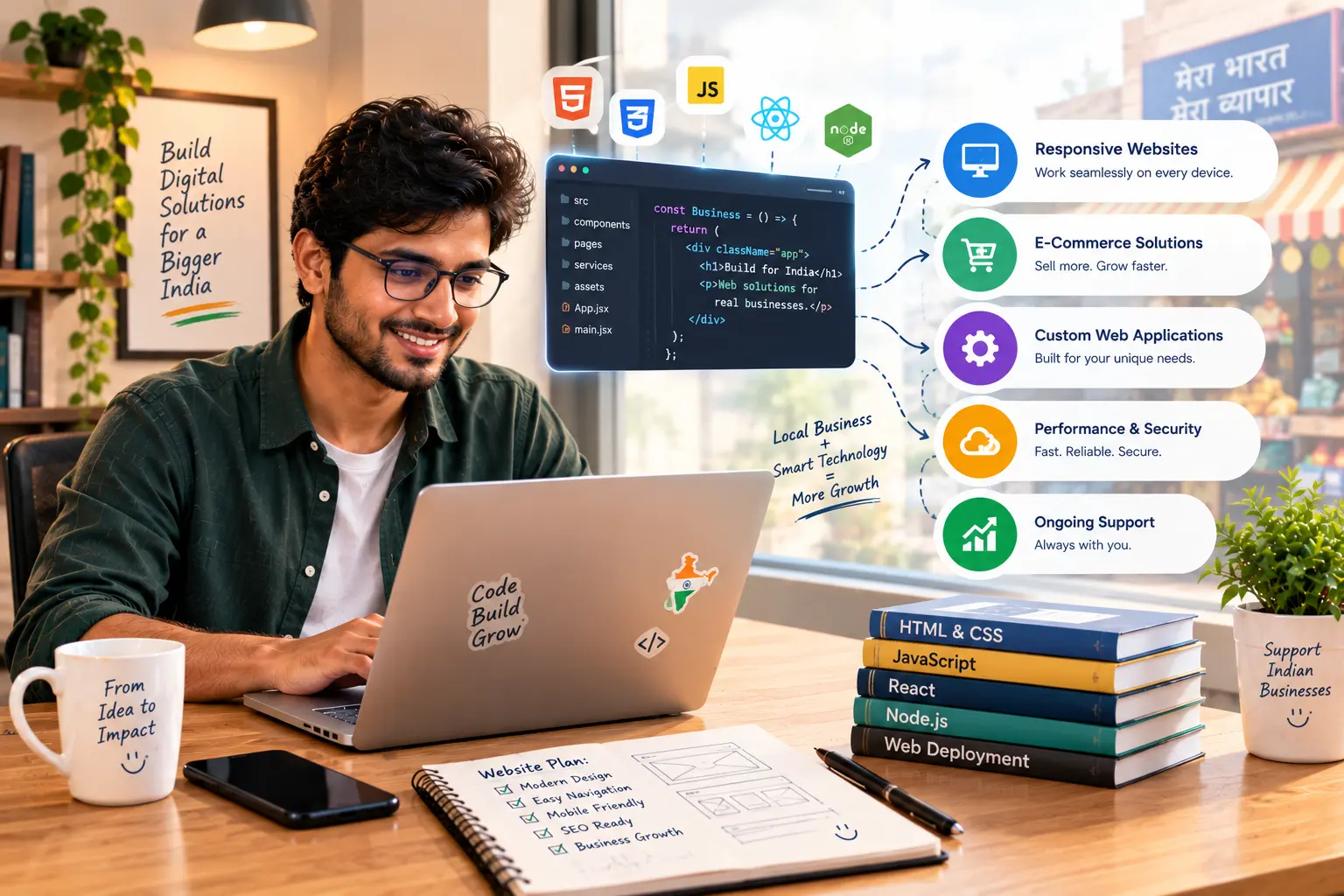
Mastering Practical Web Development for Indian Businesses

Practical web development strategies for Indian businesses, from scalable architectures to performance optimization and efficient developer workflows.

Introduction\nWeb development is the backbone of modern Indian businesses expanding online. This post provides practical, actionable steps to build robust, scalable, and user-friendly web applications that meet local needs and global standards.\n\n## Understanding the Indian Web Landscape\nIndia's digital audience is diverse, with varying device access and network conditions. Start by prioritizing performance, accessibility, and security to serve a wide range of users reliably.\n\n### Prioritize Performance from Day One\n- Use lazy loading for images and components to reduce initial payload.\n- Implement code-splitting to deliver only what is needed for the first interaction.\n- Optimize server response times with efficient APIs and CDN caching.\n\n### Accessibility Should Be Non-Negotiable\n- Use semantic HTML and ARIA labels where appropriate.\n- Ensure high-contrast color schemes and keyboard navigability.\n- Provide text alternatives for media and clear error messages.\n\n### Security Practices for Indian Markets\n- Enforce HTTPS, implement input validation, and protect against common attacks like XSS and CSRF.\n- Use secure authentication flows and manage sessions with sensible lifetimes.\n- Regularly patch dependencies and monitor for vulnerabilities.\n\n## Tech Stack Choices for Growth\nSelecting the right stack balances speed, maintainability, and talent availability in India.\n\n### Frontend Considerations\n- Modern frameworks (React, Vue, or Svelte) offer rich ecosystems and long-term viability.\n- CSS architecture (CSS-in-JS, BEM, or utility-first) helps maintain consistency at scale.\n- Progressive Web App (PWA) capabilities can boost engagement and offline access.\n\n### Backend and APIs\n- Choose a scalable backend (Node.js, Python, Java) with clear API contracts.\n- GraphQL can reduce over-fetching for complex frontends, while REST remains simple for many use cases.\n- Implement rate limiting and caching strategies to handle traffic spikes.\n\n### Database and Data Modeling\n- Start with a clear data model and evolve it with migrations.\n- Use indexing to speed up queries critical to the user experience.\n- Consider regional data replication if latency is a concern for users across states.\n\n## Development Workflows for Indian Teams\nEfficient teamwork accelerates delivery and quality.\n\n### Localized Agile Practices\n- Short sprints with frequent demos help align with business goals.\n- Include non-technical stakeholders in backlog refinement and reviews.\n- Maintain an up-to-date product backlog with clear acceptance criteria.\n\n### Testing and Quality Assurance\n- Implement automated tests for critical paths, including accessibility tests.\n- Use end-to-end testing to catch integration issues between frontend and backend.\n- Perform regular performance testing under realistic network conditions.\n\n### Deployment and Observability\n- Automate builds and deployments with CI/CD pipelines.\n- Instrument with metrics, logs, and traces to quickly identify issues in production.\n- Set up alerting on key availability and latency thresholds.\n\n## Practical Takeaways\n- Start with a minimum viable product focused on core value.\n- Optimize for perceived performance to improve user satisfaction.\n- Invest in accessibility and security from the outset.\n- Build a scalable architecture that can grow with the business.\n\n## Conclusion\nWeb development for Indian businesses demands a pragmatic blend of performance, accessibility, security, and scalable architecture. By prioritizing these areas, you can deliver value faster and build digital experiences that endure.\n