
Axione Solutions logo
SEO

Turbocharge Your Indian SEO: Practical Techniques

16 October 2026Read Time: 7 min
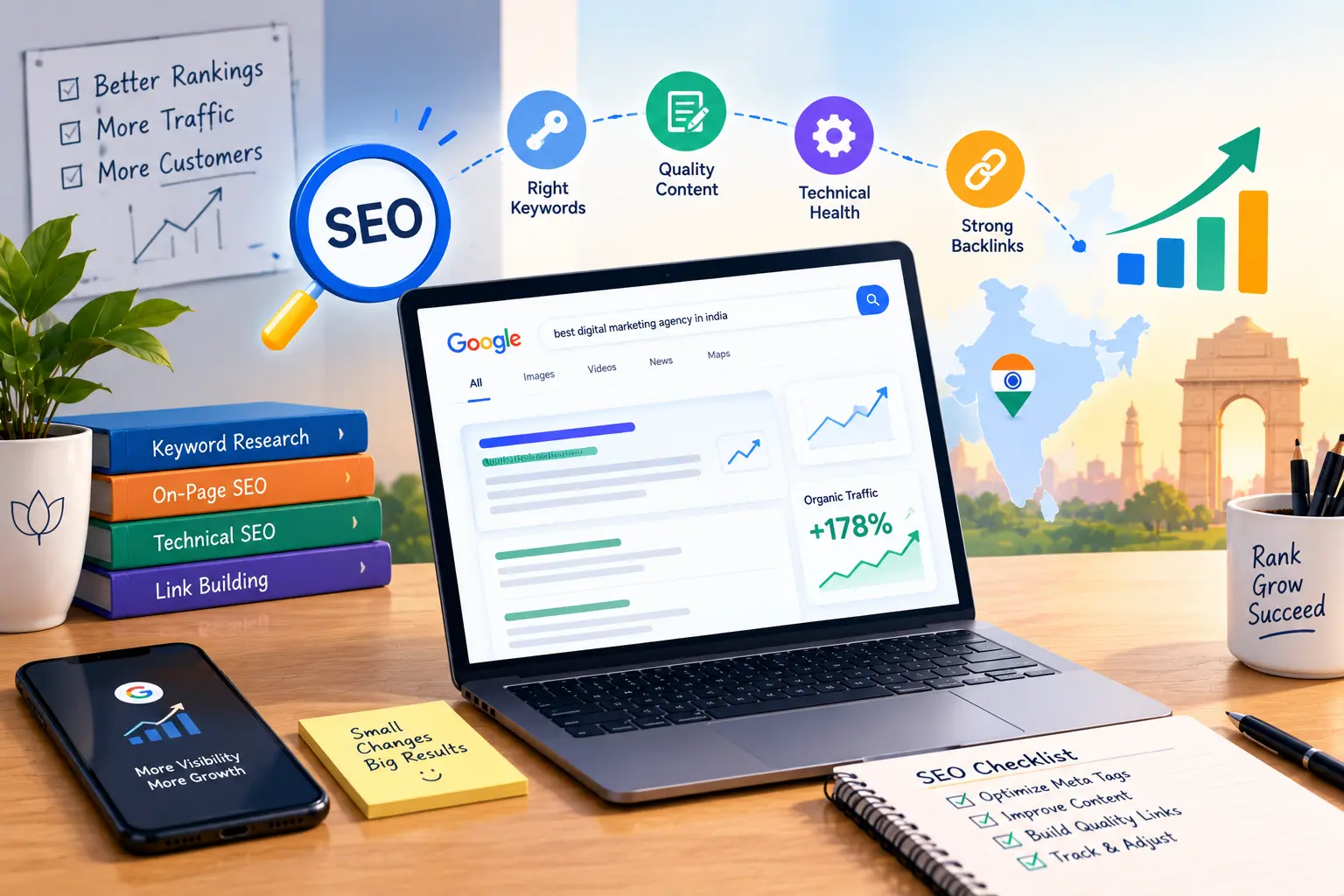
Turbocharge Your Indian SEO: Practical Techniques

Boost your online presence with practical, India-focused SEO tactics that deliver measurable results for small businesses and startups in competitive markets.

Introduction\nIn today’s digital-first economy, SEO is not a luxury; it is a necessity for Indian business owners and startups aiming to compete at scale. This guide offers practical, India-focused strategies you can implement from day one to improve visibility, drive qualified traffic, and boost conversions. The ideas are actionable, cost-aware, and tailored to the realities of the Indian market.\n\n## Key SEO fundamentals\nSearch engine optimization is about aligning your site with the needs of your audience and the expectations of search engines. The fundamentals remain constant: technical health, relevant content, authoritative links, and a solid user experience. In India, emphasis on mobile usability, regional language support, and local intent can yield outsized returns. Start with a baseline audit to identify gaps across technical SEO, on-page optimization, and content relevance. Then prioritize changes that deliver quick wins without sacrificing long-term growth.\n\n### On-page optimization\nOn-page SEO centers on making pages easily understandable to both users and search engines. Practical steps include:\n- Use descriptive, keyword-informed titles and meta descriptions that reflect user intent.\n- Structure content with clear headings (H1, H2, H3) and include target keywords naturally.\n- Optimize images with alt text that describes the image and context.\n- Ensure internal linking helps users discover related content and elongates visit duration.\n- Implement schema markup where appropriate to help search engines understand your content.\n\n### Technical SEO\nTechnical health is the backbone of great SEO. For Indian websites, focus on speed, mobile experience, and crawlability:\n- Optimize site speed by compressing assets, leveraging browser caching, and using a reliable hosting setup.\n- Confirm mobile responsiveness across devices common in India, including mid-range smartphones.\n- Create an XML sitemap and submit it to search engines; ensure robots.txt does not block important pages.\n- Use clean, accessible URLs and avoid duplicate content through canonical URLs.\n- Implement structured data for local business information, products, and reviews where relevant.\n\n### Content strategy for Indian markets\nContent speaks the language of your audience. In India, consider linguistic diversity, regional search habits, and cultural contexts:\n- Identify local topics with high search volume and lower competition by using keyword tools and Google Trends.\n- Produce content in English and regional languages where viable, focusing on user intent rather than mere keyword stuffing.\n- Create pillar content that covers core topics in depth, supported by clusters of related articles.\n- Optimize for both informational and transactional intents to capture users at different stages of the funnel.\n- Include practical, real-world examples, case studies, and local relevance to build trust.\n\n### Local SEO for Indian SMBs\nLocal optimization helps nearby customers discover you when they search for services in their city or region:\n- Ensure your Google Business Profile is complete and updated with hours, contact details, and photos.\n- Encourage genuine customer reviews and respond professionally to build credibility.\n- Maintain consistent NAP (Name, Address, Phone) across all platforms and your website.\n- Build local landing pages for each service area or city you serve, with localized content and testimonials.\n- Leverage local event participation, partnerships, and sponsorships to generate local signals.\n\n### Measuring success and quick wins\nA data-driven approach enables steady improvement. Start with these metrics:\n- Organic traffic and ranking trends for target keywords.\n- Click-through rate (CTR) from search results for your key pages.\n- Bounce rate, time on page, and conversion rate on landing pages.\n- Local performance indicators such as calls, doors visits, and map views.\n- Technical health signals like crawl errors and page speed.\nThen set weekly and monthly goals to track progress and adjust tactics.\n\n### Common pitfalls and how to avoid them\n- Keyword stuffing: Prioritize user intent and readability over forced keywords.\n- Ignoring mobile: With high mobile usage in India, a poor mobile experience hurts rankings.\n- Duplicate content: Use canonical tags and avoid thin, repetitive pages.\n- Slow implementation: Prioritize fixes that deliver the biggest impact first, then scale.\n- Overreliance on one channel: Combine SEO with content marketing, social proof, and local outreach for resilience.\n\n## Practical takeaways for Indian SMBs\n- Start with a precise, locally focused content plan for your top cities.\n- Invest in a robust Google Business Profile setup and review management routine.\n- Improve site speed using image optimization and caching; mobile performance should be the default.\n- Develop a content calendar that balances evergreen topics with timely, local relevance.\n- Track a small set of core KPIs and iterate monthly to compound results.\n\n## Conclusion\nSEO is a long-term investment, but the payoff is tangible for Indian businesses that implement practical, locally aware strategies. By focusing on mobile usability, regional language opportunities, and local signals, you can build a resilient organic presence that drives sustainable growth. Start with a clear baseline, apply disciplined optimization, and measure what matters most to your business. Your future customers are searching—make sure they find you.\n